
Last week I was on a plane and was watching a show when all of a sudden there was a pop scare and I literally jumped out of my seat and exclaimed “Oh God!”. My daughter, who was seated beside me was, as usual, mortified by how easily I am startled, and how loud that can be in public. I don’t know why, I am usually quite calm, but my startle reflex is out of control sometimes.
This makes me think of tendons of course. 😉
Tendons are my spirit animal…they don’t like surprises either.
Tendons hate sudden changes. And they love the exact opposite, they thrive with consistent predictable loading, not big jumps.
In fact, research shows rapid spikes in training volume are one of the biggest risk factors for tendinopathy.
Why do I bring this up?
Because spring is around the corner and with that the rise of outdoor time, and hopefully outdoor sports like golf and paddling, hiking and tennis. It’s also a time when people imagine themselves in their summer shorts and t-shirts and don’t like what they see and so decide to start working out (harder). But if you’re body hasn’t been doing this all winter, especially if you are getting a bit older, and you don’t prepare yourself, you are at risk of getting injured before the season even starts.
And so, please heed this warning. If you are going to start working out, or working out harder, or if you are going to start back into your summer sport after a winter hiatus, start training for it now. And start slowly and progress steadily.
I’m going to share my top tips for keeping your tendons strong and healthy as you age but first I want to make sure you understand what a tendon actually is.
What Are Tendons?
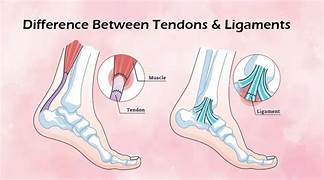
Tendons are mostly collagen and are tough connective tissues that link muscle to bone, vs ligaments which link bones to other bones. Think of tendons like a rope – both strong and flexible. When your muscles contract, the tendons pull on the bones, creating movement. They also help prevent muscle injury by absorbing some of the impact your muscles take when you run, jump or do other movements
The shorter tendons, like our Achilles, are designed to store and release energy with every stride, acting like springs. But with age, they become less forgiving. They stiffen, they heal more slowly, and consequently lose some of their bounce.
They are also poorly vascularized, meaning they don’t have their own blood supply, which is why they are so long to heal once they do get injured.
How to Keep Tendons Healthy
Here are my top evidence-backed things every one should do to protect and strengthen their tendons:
Don’t surprise them – Tendons Like Predictability. For example, don’t bounce when you stretch. This fast and unpredictable way of stretching was hopefully left in the 80’s where bouncing while you stretch was the gold standard. Today we know better! Ballistic stretching causes micro tears and you increase the risk of over stretching. Slow movements and long holds is where it’s at stretch wise today. Holding your stretches for 15 – 30 seconds, or up to 60 seconds for problem areas is generally recommended.
And don’t be a weekend warrior or a bandwagon exerciser. If you are going to do something new, introduce it slowly and give your tendons time to get acclimatized and conditioned to the new movement pattern or weight.
Load them the right way – Consistently. Tendons don’t respond to mileage – they respond to load. The older we get the less blood that gets sent to our tendons, in other words, they get less vascular, and therefore slower to repair micro damages. But they still adapt – especially to SLOW, STRUCTURED, HEAVY LOAD. Isometric exercises and slow heavy resistance training all provide the kind of stress tendons need to stay strong and resilient. Isometric (staying still) and eccentric (slow lowering) is especially effective at improving tendon stiffness and preventing or treating tendon injuries like Achilles or patellar (knee) issues.
And the word consistently matters here. There is no one and done when it comes to our strength and mobility. Your tendons need to be consistently loaded, with slow and steady progressions, in order to maintain their strength and resilience.
Respect recovery – Tendons Take Their Time. Here is where it gets tricky. Let me use running as an example; When someone starts running for the first time, their cardiovascular fitness tends to improve relatively quickly, followed by their muscular endurance. The last thing to improve are the tendons, and they aren’t as communicative as our lungs or our muscles are. Our lungs tell us when we’ve worked too hard because we get out of breath. Our muscles tell us when we are working too hard, they feel fatigued, can’t maintain proper form and/or get sore later. Tendons don’t give us those subtle signals. That means it’s easy to overload them without realizing it – until you’ve got a nagging injury that won’t go away. This becomes more common with age, when the natural repair cycle slows down.
And so, especially when starting a new program, make sure you give your body time to recover before repeating the workout.
Provide the building materials – Tendons Like to Be Fed and Hydrated – It should be no surprise but what we eat and how much we drink is an important component of tendon health. Tendons are primarily composed of collagen protein and so consuming adequate protein provides the building blocks for new collagen production. Active individuals should aim for a higher daily protein intake to support the constant remodeling of these connective tissues. Work towards a minimum of 0.8 to 1.4 grams of protein per kilogram of idea body weight.
For collagen synthesis to occur the body also requires co factors like vitamin C, without it the newly formed collagen may be structurally weak. Reach for berries, oranges, peppers and other vitamin C rich foods in your meals!
Adequate hydration is also important as the matrix that surrounds the tendons require water to maintain lubrication and pliability. Dehydration can lead to a stiffer and more brittle tendons, especially under load. Aim to drink your body weight in kilograms, divided by 8, in glasses of water per day. For example, an 80 kilogram person should drink 10 cups of water per day.
What Does It Look Like When Our Collagen is Weak?
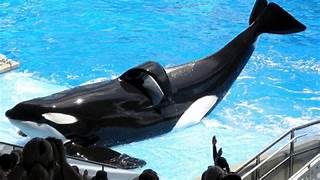
Have you ever seen a killer whale with a collapsed dorsal fin? It’s so sad and something we really only see in captivity. According to BiologyInsights.com, “A significant cause has been said to be the limited space and activity levels in tanks. Dietary factors and hydration may also influence fin integrity; a less diverse diet or lower water content in food could affect collagen tissue health.”
Sound familiar?
These dorsal fins are made up of the same collagen fibres our tendons are made up of and are influenced by the same factors. So, maybe I’m reaching here, if you want to imagine what you are doing to your collagen matrix (that make up your tendons and all sorts of other parts of your body) when you don’t eat well, when you don’t drink water, when you don’t move as much as you can or should just take a look at some old Marineland footage. Maybe that will send you to the kitchen to get a drink and then to the closet to put on your walking shoes!?
In Summary
If you are a beginner, aim for two, (if you are experienced you can progress to more), strength training sessions with a focus on slow, full range of motion movements and heavy load, per week. But space your hard efforts out so your tendons can recover. Get good sleep, eat plenty of collagen and protein rich foods, stay hydrated, and no surprises! Consistency is key!
If you are over 40 and you want to stay healthy, don’t fear your tendons. Train them. Load them wisely. Strengthen them regularly. Give them time to recover. Fitness isn’t just about good heart and lungs. It’s about keeping our tissues that literally hold us together strong and springy for as long as possible so we can move with lightness and ease.
Now get out there, get training so you can stay active, fit and happy!
xo Christine